

Founder of Lower Back Pain Answers
and Relieving That Pain Online Courses
The Overlooked Epidemic of Inflexibility
You might assume that being stiff or tight just comes with age or lifestyle.
But hidden inflexibility often plays a central role in causing strain, joint wear, and mysterious pain patterns that don’t respond to localized treatment.
What most people—and most healthcare providers—miss is that muscular restriction doesn’t always show up where the pain is.
Tightness in one part of your body can distort posture, overload other muscles, and trigger compensation patterns that ripple outward.

Why Medicine Misses It
Despite remarkable advances in imaging, surgery, and pharmaceuticals, conventional medicine spends very little time on the muscular system.
Muscle dysfunction is typically ignored—unless it shows up as a tear or other damage on a scan.
This leaves people with “unexplained” pain stuck in a loop of chasing symptoms, while the real problem quietly worsens.
And Why Stretching Often Fails

If you've ever found stretching uncomfortable, frustrating, or just flat-out ineffective—you’re not alone.
Many people hate stretching, not because they’re lazy, but because it doesn’t seem to work. You hold the stretch. You grit your teeth. You try to do what the trainer or physical therapist told you. But instead of feeling looser or better, you feel the same—or worse.
Here’s why:
Traditional static stretching often triggers your body’s Protective Stretch Reflex. This built-in safety mechanism causes muscles to contract when they’re stretched too far or held too long. It’s your body’s way of saying “this feels dangerous.”
The result? You end up fighting against your own nervous system—trying to force a muscle to lengthen while it’s reflexively tightening.
Over time, this can lead to:
- That familiar “stretch burn” that never leads to real change
- A sense that your body is resisting you
- Even aggravation of symptoms, especially in already-sensitive areas

Worse, stretching becomes associated with discomfort or futility. So it’s no surprise many people either stop altogether or push harder out of frustration—both of which backfire.
The bottom line?
It's not that your body can’t become more flexible.
It’s that the method you're using may be working against you.
The Good News? There’s a Better Way to Stretch
The problem isn’t you—it’s the method.
There is a more effective, more comfortable way to stretch. One that doesn’t trigger your body’s protective reflex. One that actually works with your nervous system instead of against it.
It’s called Active Isolated Stretching (AIS).
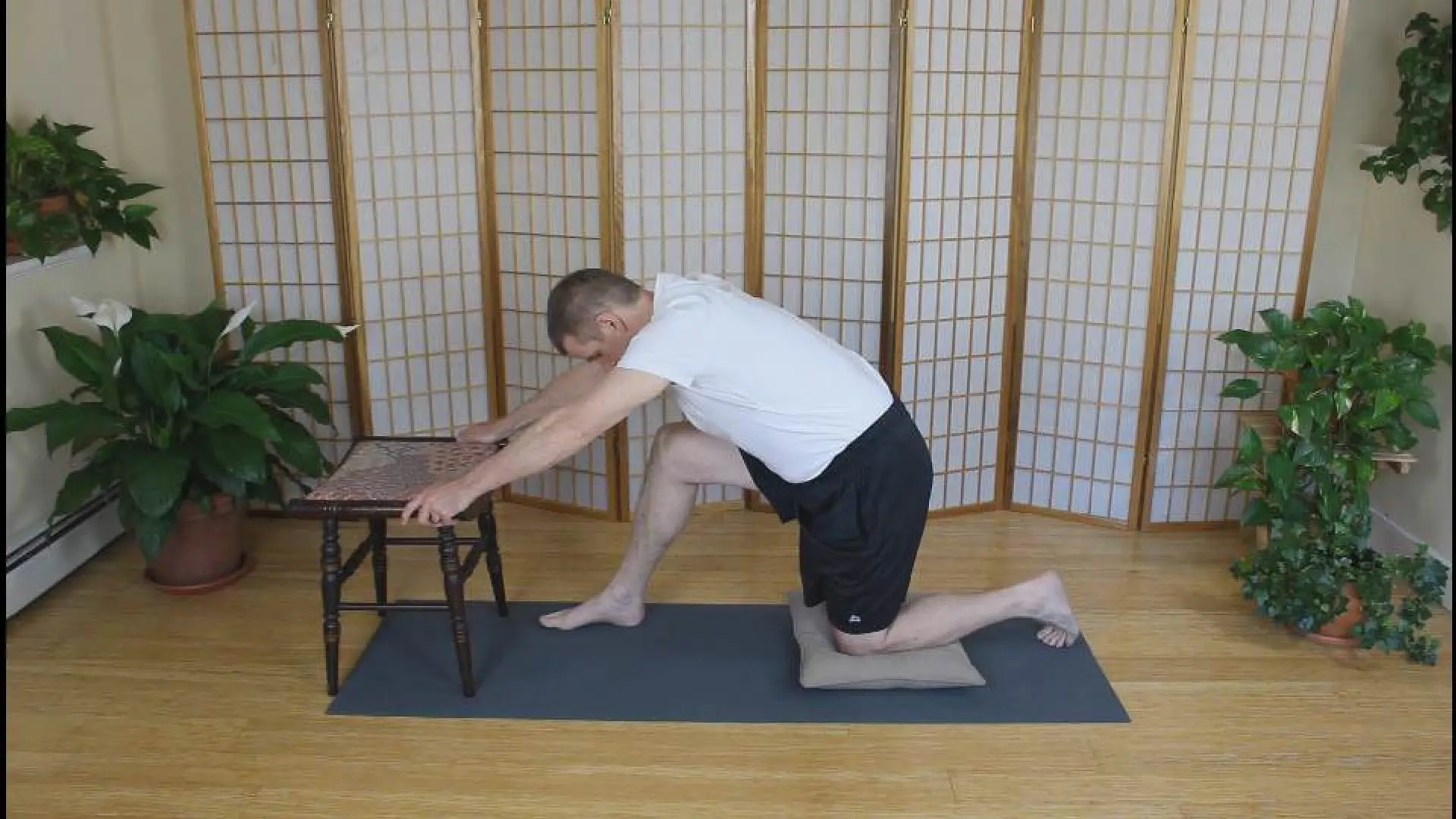
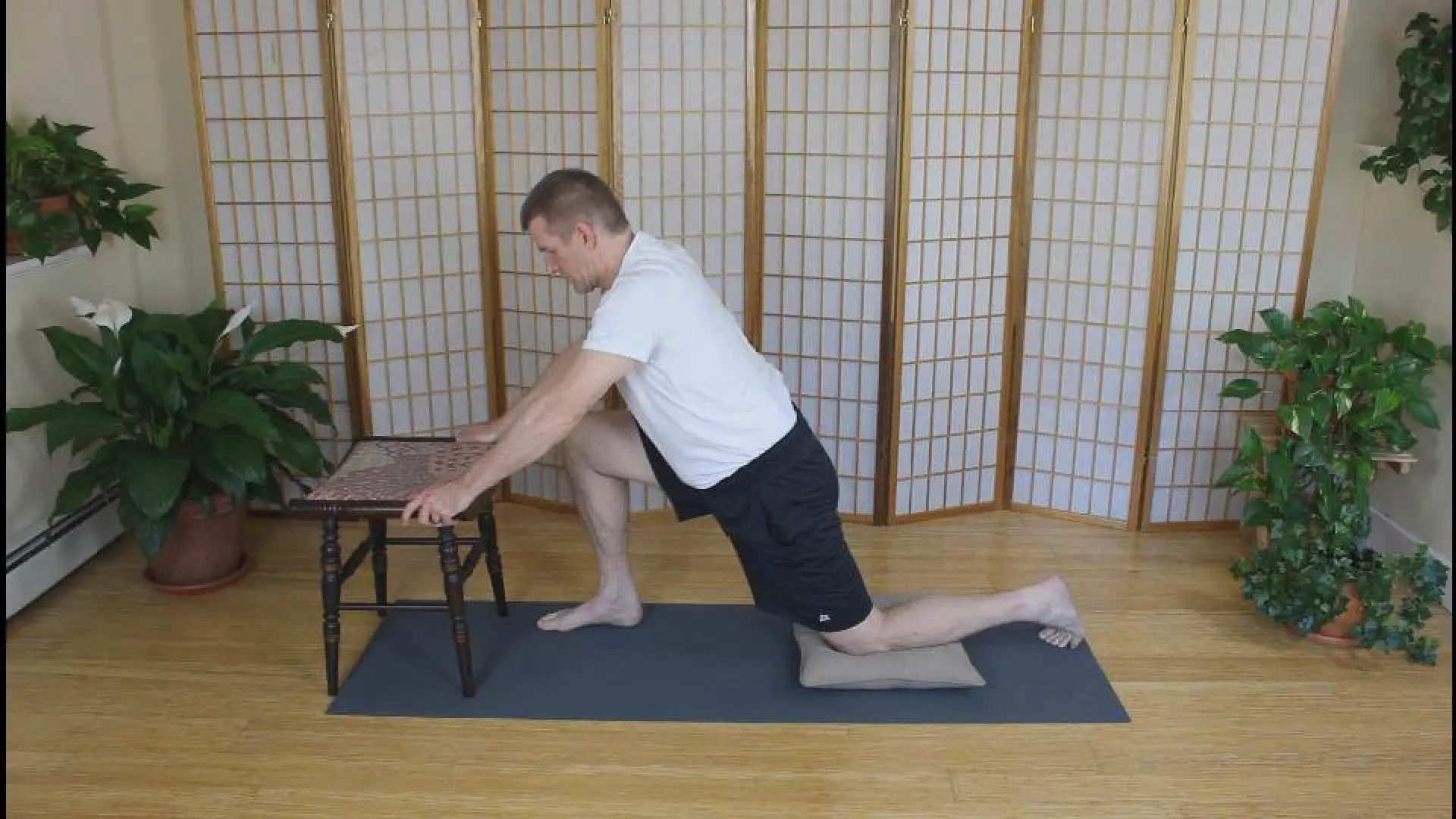
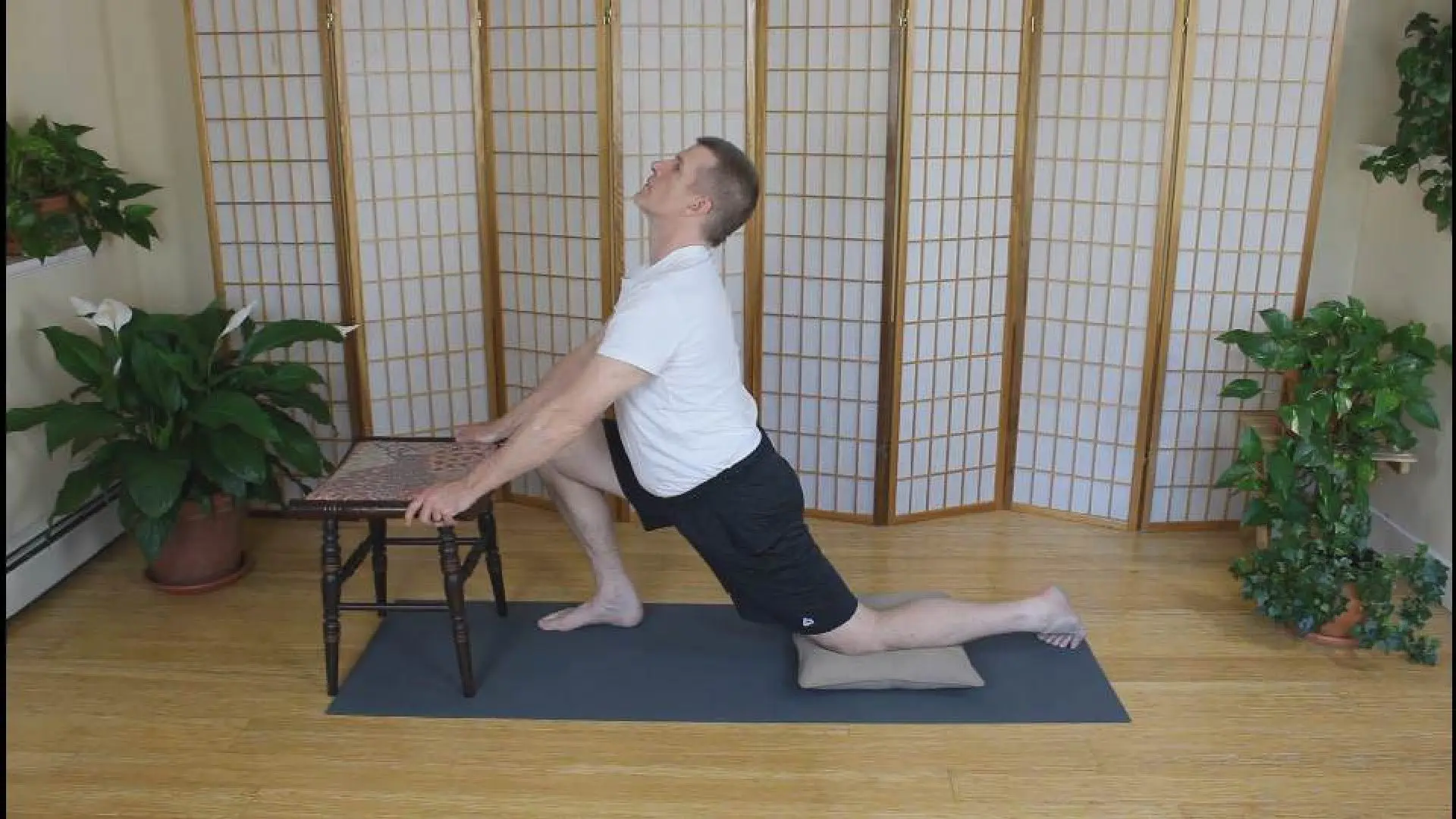
Instead of holding a stretch for 30–60 seconds, AIS uses repeated 2-second stretches. This gentle timing avoids the reflex that causes muscles to tighten. And because you actively move into each stretch, your body responds with greater range, not resistance.
Active Isolated Stretching helps you:
- Improve flexibility without strain or frustration
- Target the real areas of restriction—not just the ones that hurt
- Create lasting change in how your body moves and feels
If stretching has always felt like a struggle, it’s not because your body is broken.
It’s because no one ever showed you this better way.
Ready to Experience This for Yourself?
Most people never discover this approach—let alone get a chance to apply it correctly.
To help you explore this method for yourself, I’ve made two resources available:
Option 1: Start with a Free Mini-Course
This free mini-course—Three Key Stretches for Relieving Lower Back Pain—includes just five lessons and offers an introduction to Active Isolated Stretching. You’ll learn three often-overlooked stretches that can bring fast relief to the low back, while experiencing first-hand this gentle but highly effective stretching method.
Option 2: Go Deeper with Free Lessons from the Stretching Blueprint
If you’re ready for a deeper dive, these free lessons will take you much further into the wonderful realm of Active Isolated Stretching.
You’ll get a clear overview of the full course—Stretching Blueprint for Pain Relief and Better Flexibility: The Complete Guide to Active Isolated Stretching—and discover how this gentle, science-based method can unlock your body’s natural capacity for flexibility and relief.
This is the next step if you’re ready to move beyond temporary relief and get started with the deeper mechanics of real, lasting change.